
Before you read this Writing about death and dying can be quite upsetting and I also know that for some of you reading this, you might not want to focus on these things right now. That’s okay. Just read another post or come back when you’re ready.
Anyone who read my previous post ‘In memory of Chris Hindle‘ will know that he has had a sincere and heartening impact on me and my life. I never knew Chris and I would never profess to know how someone thinks, however, from the little I have learned about him, we seem to have shared a common belief that you can live your best life with a terminal diagnosis. It’s for this reason that I’ve decided to open this post with something he said; something that captures the sentiment perfectly:
“At some point this disease is going to get me, but until it does I’m just determined to live the best life I can”
I will say this now. No two experiences of living with cancer are the same. This is something highlighted by the new World Cancer Day campaign (2025-27), however, I believe, there are some basic principles which can lead to a happier and healthier life following a terminal diagnosis.
One of the most valuable lessons I’ve learned since my diagnosis is that living well isn’t easy. It isn’t supposed to be easy and you shouldn’t shy away from things because they are hard. In fact I believe that if you can accept the difficulties in your life, both physically and emotionally, then this is going to lead to better outcomes. Chris built his own home and climbed Mount Snowden, and he did it in between cancer treatments! Think about that. Instead of wishing that things were different, he accepted the circumstances of his life (no matter how bad they were), and he created his own path. It’s time for you to do the same because, like Chris said:
“You can live with a stage four terminal disease, you don’t have to stop doing stuff”

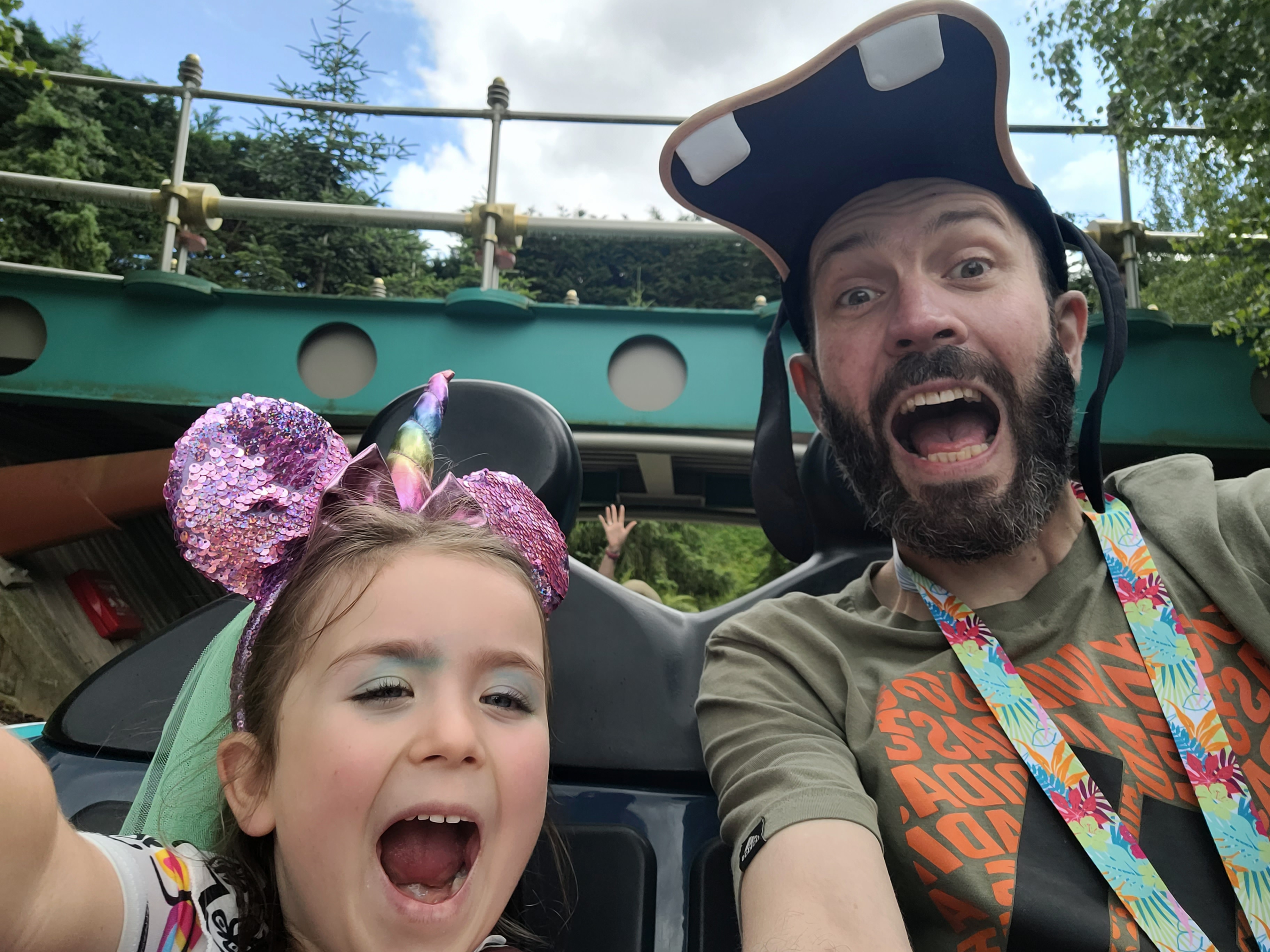
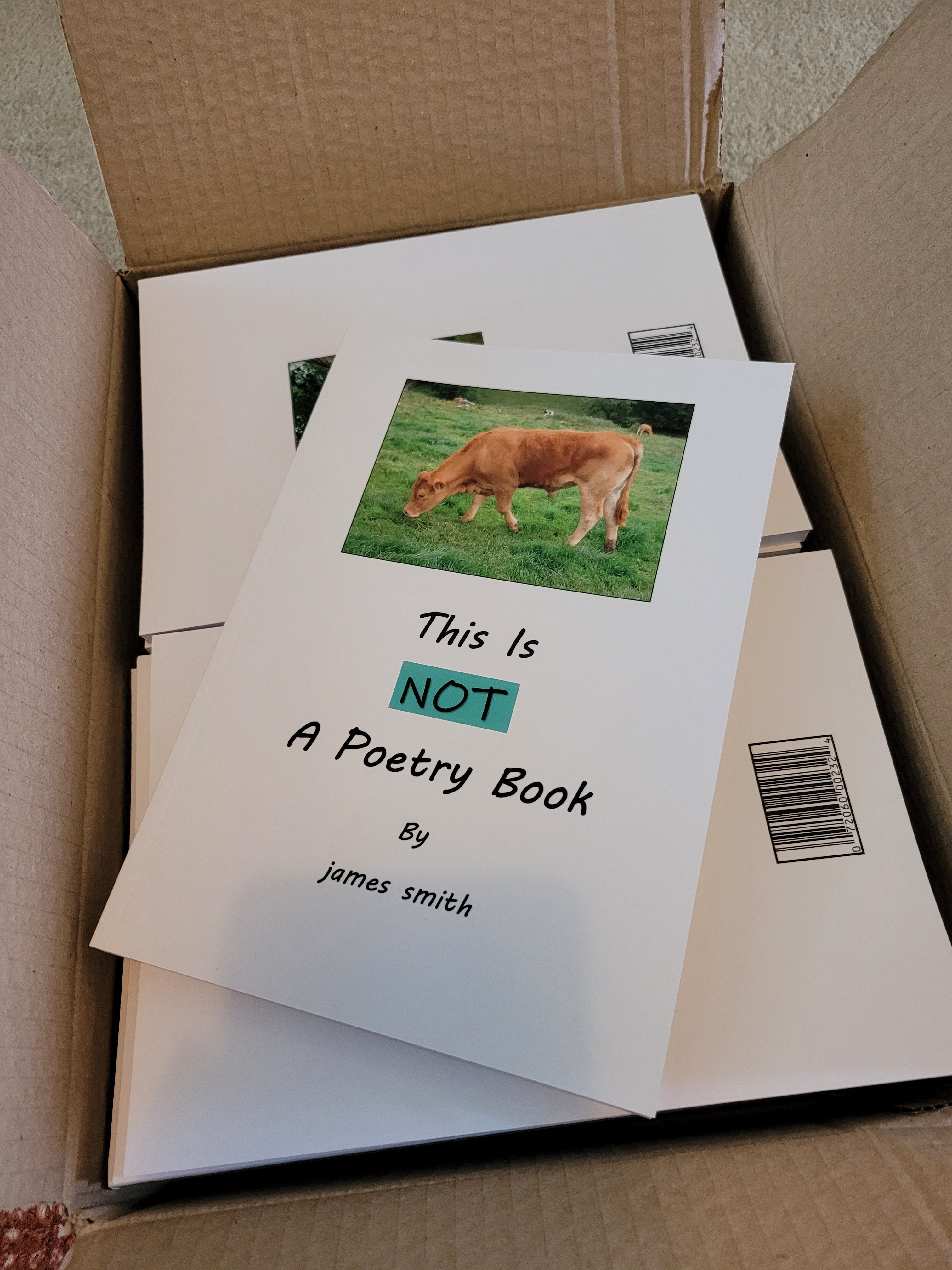
Life keeps marching on and, if life is moving forward, then so should we. Now is not a time for looking back; it’s not a time for regrets either. There are so many things in my life I can’t control so why waste time on them. I’ve done some amazing things and I’ve done them living with a stage four terminal disease. I’ve flown in a helicopter, taken my family to Legoland, Disneyland and Lapland, rode first class through the Highlands of Scotland, produced a poetry book…
I thought about my bucket list and set about doing the things that were most important to me. Setting goals is not only a great way to do the things you’ve always wanted to do, it’s also one of the key ways you can live your best life. Next for me will hopefully be Niagra Falls and New York, if we can get the money together in time – There’s a quote I read recently that goes
“the best things in life are… actually really expensive“
It made me laugh, but it isn’t necessarily true. That said, unless you have an unlimited supply of money, you’re going to want to be more selective with the things you do. Niagra falls was top of my list, however, like Chris, who took holidays with his wife, it’s been really important to me to make the most of the time I have and that meant making memories for my wife and daughter.
I think there’s this idea that you have to do what everybody expects you to do and this simply isn’t true. If you’re not a particularly adventurous person then don’t be afraid to create a list that reflects this. Ultimately, it’s going to be more fulfilling and whether other people understand or not isn’t important. Think about what matters most to you and how you want to spend the time you have left. I find that I can often get just as much joy from the little things in life and, most likely, it’s the little things that someone will remember about me; it’s the little things that make me, well, Me.


Once you’ve accepted your death, you can truly start to live.
Most of us won’t think about life ending until we have to. That feels pretty normal to me and I know thinking about death and dying might not be something you want to do right now, particularly if you or someone you love has, or had, a terminal diagnosis. I understand. It can be upsetting to write some of these things and I’m sure it can be upsetting to read so if you’re not ready then that’s okay, read another post, or just come back here when you are.
Finding out that you will die from cancer has the potential to be incredibly painful at any age. Death is a natural part of everyone’s life, the thing that bonds us all, and yet there was nothing natural to me about being told to prepare for death aged just 42. And what did that even mean anyway… In truth, it wasn’t so long ago that I still believed I was immortal and to be told that I needed to ‘get my affairs in order’ felt devastating. All I wanted to hear was that they could cure me.
I’ve since come to appreciate the importance of this and, as I touched on in previous posts, preparing for death is, or at least can be, an opportunity to bring about a sense of peace and control when everything feels so utterly hopeless. It isn’t that I wanted to think about things like funeral planning and, if that’s you, that feels okay to me, but I did want to know I had taken care of some of the practical things that were going to support my loved ones when I was gone (like making a will and sorting out my pensions and life insurance).
The idea that my funeral should reflect my wishes and beliefs, however, wasn’t something I could connect with and I still don’t have a funeral plan! (it’s only lately that I’ve started to think about this). I know a funeral is a way for people to say goodbye but if I’m being honest, and that’s what this blog hinges on, I would sooner not have a funeral (more on this in part two). I was always that person who would slip away from a party without saying goodbye, only to make up some excuse the next day – at least now I could say that I had died (haha).
You might not think that’s very funny and it’s often been said that I have a warped sense of humour (my idea of a funeral that reflects my personality was to fill my body full of helium and have it rise out of the coffin during the service) but it’s not something I’ve ever tried to shy away from. I never mean any offence or use humour to be disrespectful but I genuinely believe that there’s no better coping mechanism, for me, then making jokes about something traumatic – and watching loved ones squirm.
It just me though and there are actual studies on this. In fact, its thought that people who comprehend, and enjoy, dark humour have higher levels of intelligence. I’m just saying. Certainly, for me, it feels more healthy than refusing to accept what I’m going through.
Now I’m not saying that you have to turn to the darkside to cope with a terminal diagnosis, just that I’ve found it helps me. I think the danger is that people can use humour to deflect feelings they don’t want to deal with, or push people away. That’s not what I do, its a very conscious thing and I make sure to actually address what is happening. In this sense it feels a pretty healthy thing for me to do.
If you have read this and you’re worried about your mental health, don’t be afraid to reach out and ask for help or support. It’s absolutely nothing to be ashamed of.
 Me, Myself and Cancer
Leave a comment