
6 minute read
Adenocarcinoma is a long word. Can you spell it?
My nanna always used to say to me: Constantinople is a very long word, can you spell it? She’d enjoy watching me squirm and then reveal the answer. IT. She was funny like that ha
As someone living with Stage 4 Oesophageal cancer (or esophageal cancer for my friends in the US), this is something that is very close to my heart and anything I can do to raise awareness and potentially save lives is going to be a good thing.
So first, what is Oesophageal cancer? This is when abnormal cells in the oesophagus grow in an uncontrolled way – The oesophagus (also known as the gullet or food pipe) is the tube that carries food from your mouth to your stomach. There are two main types of oesophagael cancer:
- Squamous cell carcinoma
- Adenocarcinoma (the type I have)
Tellingly, men are more likely to have oesophageal cancer than women and around 9,400 people are diagnosed with oesophageal cancer in the UK every year making it the 14th most common cancer. That’s only half the story though because Oesophageal cancer is also the UK’s 7th leading cause of cancer death. To put this into context, typically, cancer survival is measured as five years, however, there aren’t any five year survival stats for stage 4 oesophageal cancer because people don’t tend to live that long!
This is where it gets tricky
We’re constantly being reminded that early detection is so important and yet Cancer Research UK reports that only 54.3% of cancers in England are diagnosed at stages one and two!
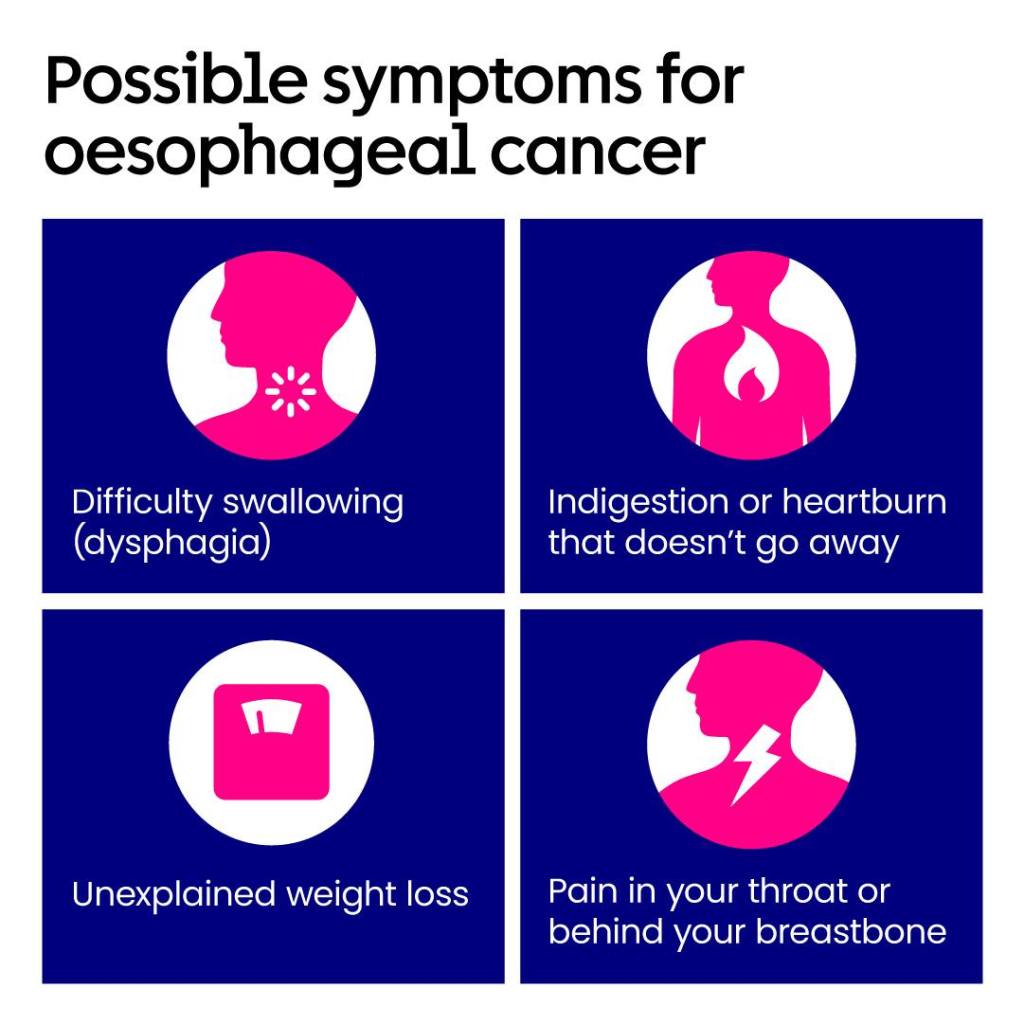
Indeed, oesophageal cancer is one of many cancers that doesn’t typically produce symptoms until later stages, and any symptoms that do appear early are often much more commonly associated with other diseases making it hard to diagnose. It doesn’t help that you regularly hear stories in the media about people who do report symptoms and yet, they either feel ignored, or they are misdiagnosed.
I first went to my doctor 3 years before my diagnosis with persistent and unusual symptoms (stomach pain, indigestion and heartburn, bloating). I was also more tired than usual. Cancer never even entered the conversation. I was told these symptoms were common nothing serious, however, could another doctor may have been able to save my life
To be fair to that doctor, symptoms like these in early stages are often vague, and the reality is that doctors likely don’t have time to consider less likely diagnoses. In the end, it was put down to food intolerance. Knowing what I know now though, I undoubtedly would’ve spoken up more because I had all the symptoms of Gastro oesophageal reflux disease (GORD), a leading cause of, not just oesophageal cancer but adenocarcinoma oesopageal cancer. It’s also said that the longer you have symptoms, the higher your risk.
It would be easy for me to be angy, but I’m not. That’s to say I was, but I’m not now. Anger is a common emotion for people with cancer, and it’s okay to feel it. I made the decision very early that I was only going to look forward and accept that there are a lot of things that I can’t change. That way, I reasoned, I would at least have some say in what happens next.
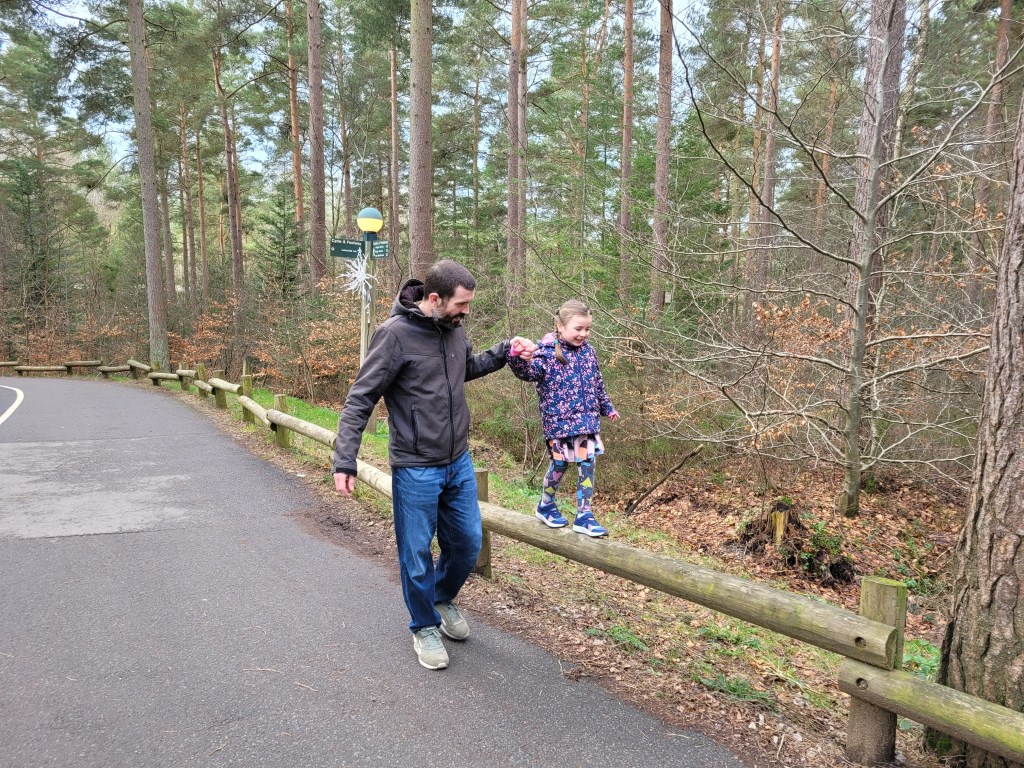
Relaxing in Whinfell Forest with my daughter. Photo taken 2 February 2024
One day soon I’ll write a whole post on anger and emotions because living with cancer is incredibly emotional. What I will say here though is that it isn’t about suppressing the anger. I always acknowledge my anger and try to understand it because, often, it’s really a mask for other emotions such as fear, sadness or anxiety. Two of the biggest things I practice are acceptance and compassion (for myself) – if you master these then it can help you feel differently about your emotions.
The reality is that, even if a scan had been arranged (when symptoms first appeared), it’s highly likely that the tumour would still have been too small to show up. This is because esophageal cancer is a slow-growing cancer that can take years to develop (it’s possible I had been living with cancer for 6-9 years before it was diagnosed) which makes early detection incredibly difficult.
To make matters worse, once symptoms do appear, the cancer can progress very quickly which is what happened in my situation. I didn’t know it then but I actually came pretty close to death and, even though my Oncologist at the time originally misdiagnosed my cancer, one of the drugs they gave me as part of my chemotherapy treatment probably saved my life. That and the nurse who sent me for further investigations. In all probability, I only had two or three months to live.
Anatomy of a sponge
So wouldn’t it be great if there was a test that could detect oesophageal cancer before you have any symptoms. Advances in cancer screening for bowel, breast and cervical cancers is really starting to make a big difference to people’s lives, however, no cancer screening is going to be perfect and it isn’t available for all cancer types.
The good news, however, is that such a test (BEST4 Screening) is already being trialled in areas across England, Scotland, and Northern Ireland and, if successful, this test could become a standard screening tool for oesophageal cancer.
This video shows how the capsule sponge test works
In the meantime, I would still urge you to listen to your body and if something doesn’t feel right then it’s best to have it checked because this is going to give you the best chance of being treated successfully. There are also other things you can do reduce your chances of getting oesophageal cancer such as stopping smoking, losing weight if you are obese and reducing your alcohol consumption.
In addition, I’m a huge advocate for food and nutrition to, not only compliment medical treatment, but also prevent cancer and I believe we should all be eating a diet filled with a variety of vegetables, fruits, whole grains, beans, nuts and seeds. Be sure to keep checking back, or better yet subscribe, because I’ll be posting handy tips and easy to read information about diet and cancer regularly
More information about how to join the trial can be found at https://best4trial.secureserversites.net/
 Me, Myself and Cancer
Leave a comment