
Before you read this Writing about death and dying can be quite upsetting and I also know that for some of you reading this, you might not want to focus on these things right now. That’s okay. Just read another post or come back when you’re ready.
“Having a terminal illness can be exactly the same experience as grief”
(National Cancer Institute)
I was fortunate enough to volunteer for Cruse Bereavement Care (the UK’s Largest Bereavement Charity) which, apart from being an absolute privilege, taught me a lot about grief and how to cope with it.
People often ask me if it was depressing but I never thought that. I was always humbled by what people were willing to share during the toughest times of their lives and it reinforced my belief that it’s so important to talk about death and dying. Both as the person dying and for loved ones.
Thinking about this now with a new perspective I can see how, whilst I was undoubtedly able to help many of the people who came for support, it’s likely that I learned just as much from them about the grieving process and that has been valuable in helping me understand what I’m going through now.
One of the things I learned was that, when a person is grieving, it can be healthy for that person to feel, at times, as if they are not coping. This is because, if that person was seen to be coping all of the time then it could be said that they are not allowing themselves to grieve. Likewise, if that same person wasn’t coping at all, then they may have become stuck in their grief.
Grief can be overwhelming but sometimes people can worry too much about whether or not they are coping. This feels totally healthy and normal to me. It can be a huge emotional shock when someone dies; and it can be the same when a person receives a terminal diagnosis. I remember feeling numb and thinking that it just couldn’t be real. After a time though, I noticed that there were times when I felt more in control. And times when I definitely didn’t.
If we apply the same principle i.e. not coping is coping, to the sense of loss I felt when I received my diagnosis then this could also be considered totally healthy and normal. This is because, part of the time I was focused on moving forward and coping, whereas the rest of time I was thinking about and focusing on the loss of a life that I wouldn’t get to live. It just wouldn’t be healthy to do too much of either one because grief, whether it’s linked to the loss of a person or the loss of a life, is just about the worst emotional pain that you can go through.
For anyone who doesn’t know, anticipatory grief, also called pre-death grief, is a feeling of loss or grief that happens before the death of a loved one or before a person’s own death and it can be felt by loved ones and family as much as it can the person who will die. You might worry about the future and how you will cope without them. It can also be common to feel sad, worried, or angry about their illness and its effect on your life. If you feel like you are affected by anticipatory grief, you are not alone and it can be a normal reaction before someone dies.
I remember thinking about all the things I was going to miss, especially those precious things I wouldn’t get to experience with my daughter. And I would cry for hours. I never worried about how much I was crying though and, in time, this did reduce. Some people won’t cry at all though and if this is you, I would say that this is also normal, especially during the early stages of receiving your diagnosis, however, if you are worried about any of these issues, it may be time to ask for some help.
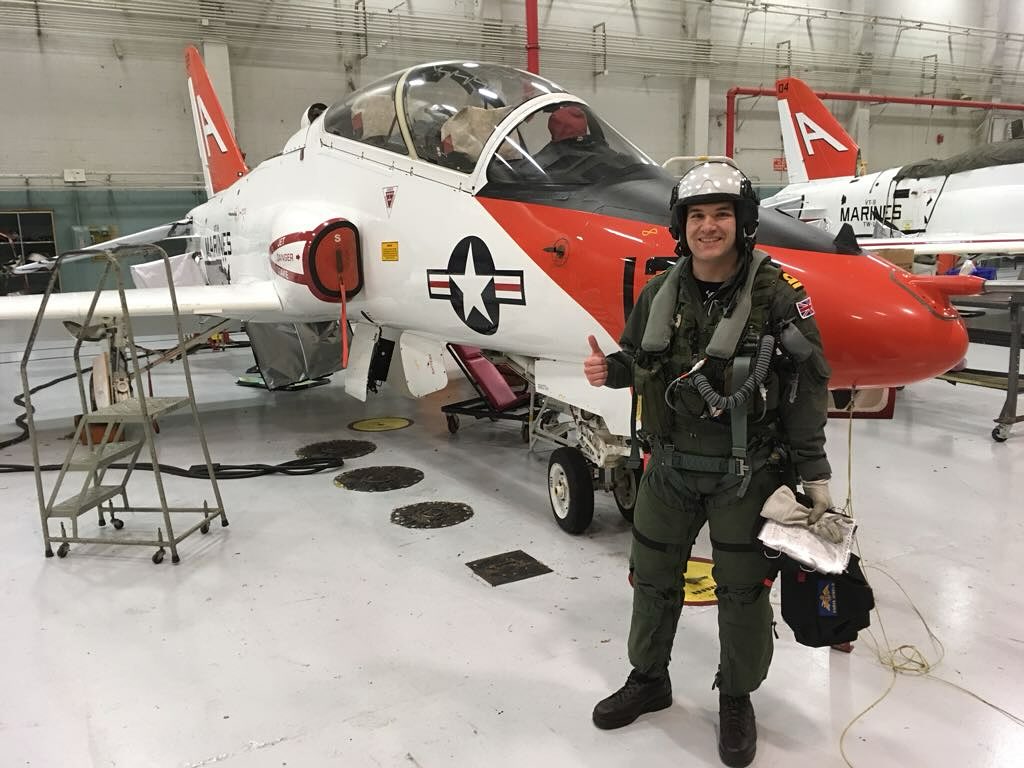
Crying is a natural and normal thing to do when you have cancer or if you are grieving. For those who read part one of this post or my post in memory of Chris Hindle, you will know that I felt a strong emotional connection to him. Indeed, I was in floods of tears when I learned of his death, and, when I watched the second episode of George Clarke’s ‘Building Home’ this week, I cried again when Chris appeared in the opening sequence.
For those who didn’t, it might surprise you to know that I didn’t know Chris. It’s just that he had such a remarkable attitude towards life and his diagnosis (if you haven’t already, I’d encourage you to watch episode one of Building Home now) that it affected me deeply and to put it simply, I’m sad that he died. Even if you didn’t know a person, that person can have a really big impact on you and your life. Chris was very much a real person. He was a husband, a son, and a brother, but in a similar way, people can often feel the same sense of loss when a favourite TV character dies. Grief affects us all in different ways.
Prior to filming the show, Chris found out that his cancer had spread and that he had months to live. In this, we shared an unfortunate prognosis, and whilst no two experiences of living with cancer are the same, I feel as though this created a bond between us. When I cry, again, it’s that sense of loss. Knowing that I will never be able to tell him what an inspiration he has been to me and my family.
I like to think that I have come to terms with my own death, as much as anyone can, and so some of those feelings have softened a little, however, one thing I’ve noticed is that I can often feel guilty that I’m still alive. Again, it’s important to know that this is very common and so I don’t dwell on it. I would’ve loved to have gotten to know Chris, but, as it is, it’s enough for me to honour both this connection and his legacy.
I wish I could tell you exactly how to process the reality of your own death, but it’s something that you are going to have to come to terms with on your own. We’re all going to deal with this in different ways, and how you find peace with it is going to be personal to you; whether that’s emotional, spiritual, or religious. I don’t personally have any religion and, as such, I don’t credit God for anything that has happened to me, (good, bad or otherwise) but if religion is right for you then that’s all that’s important here.
It used to be that I only had to think about leaving my daughter and I wouldn’t be able to stop crying – Trying to record a voice message for a teddy bear is a particularly painful memory for me because I just couldn’t do it. Now I’ve accepted the reality of my situation, I feel as though I’m able to cope with some of these emotions a little better (I’m definitely not okay with it though and accepting something doesn’t mean the pain disappears).
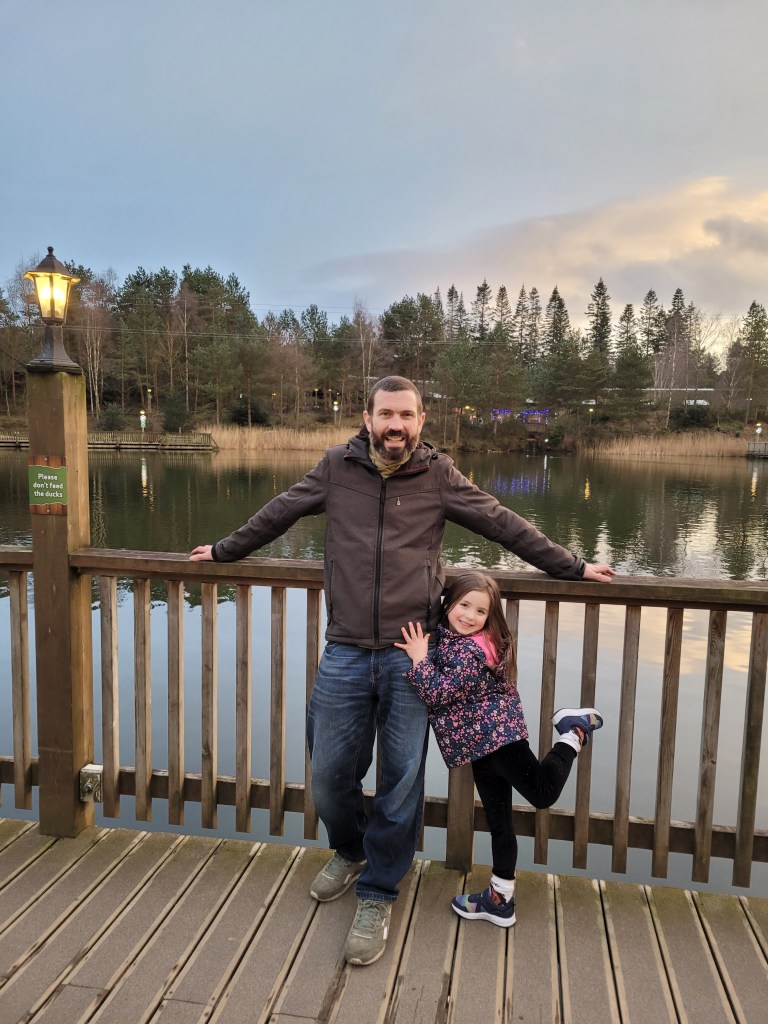
To me, making memories with, and for, my loved ones has been more important than anything else but there is a practical side to death which most of us won’t want to think about until we have to. And yet, in part one I told you that I still didn’t have a funeral plan. Typically funerals (in the UK at least) are a way to honour and remember the dead; a way to say goodbye and move forward – so why haven’t I done this for my family?
It’s a fair question but I don’t think there needs to be a perfect answer here. I will say that I absolutely want a funeral for my loved ones, however, I just think that my funeral should be less about what I need, and more about what they might need. You might think that I’m avoiding thinking about it, and I would concede that there’s some truth in that, but really, it’s just the way I feel and part of accepting death is being honest with yourself.
If you’d like to plan your own funeral, decide what happens to your things (including your digital things like email and social media accounts) or even specify where you would like to die, I would say that these are all things that can help you feel more prepared and make peace with your death, as long as it’s in your own time and in your own way. I’m living my best life right now, and until someone tells me that my cancer can no longer be controlled, I want to continue to do so for as long as possible.
If you have read this and you’re worried about your mental health, don’t be afraid to reach out and ask for help or support. It’s absolutely nothing to be ashamed of.
Fundraiser for The Air League & East Lancashire Hospice
Chris’ sister, Rebecca, has set up two Just Giving pages in memory of Chris:
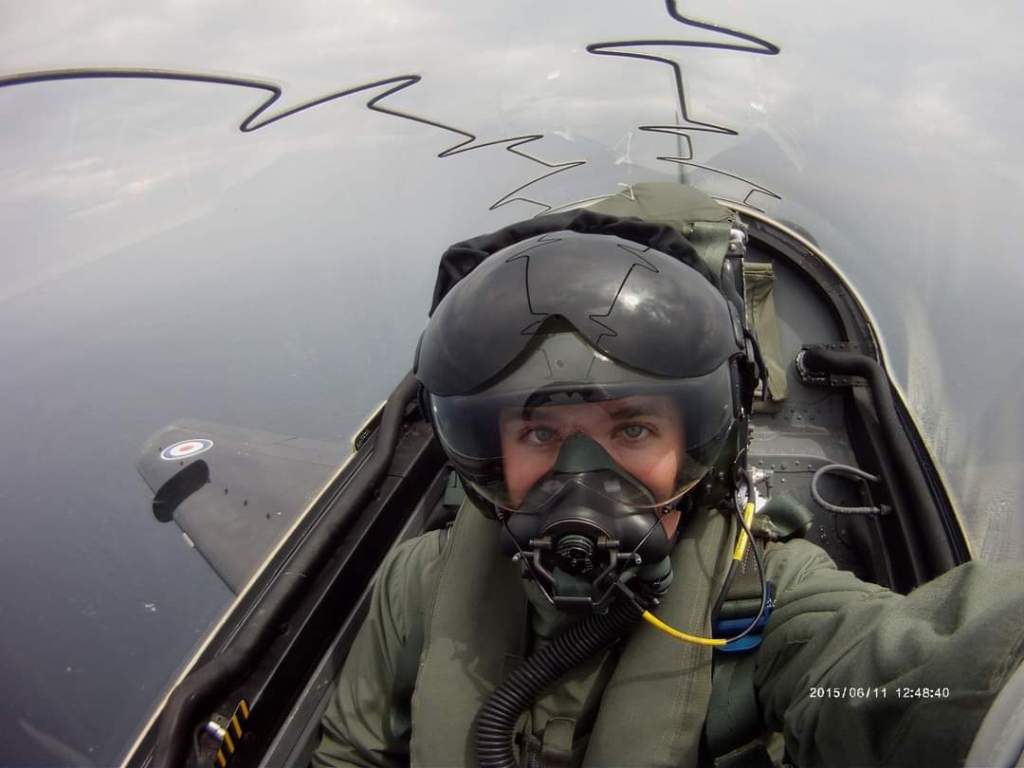
“Chris always dreamed of becoming a fast jet pilot in the military, and he was one of the fortunate few who turned that dream into reality. The Air League played a vital role in helping him reach his goal by providing aviation scholarships during his teenage years. This cause was close to Chris’s heart, and we’re honoured to continue supporting it in his memory” (Image and text: Rebecca Hindle)
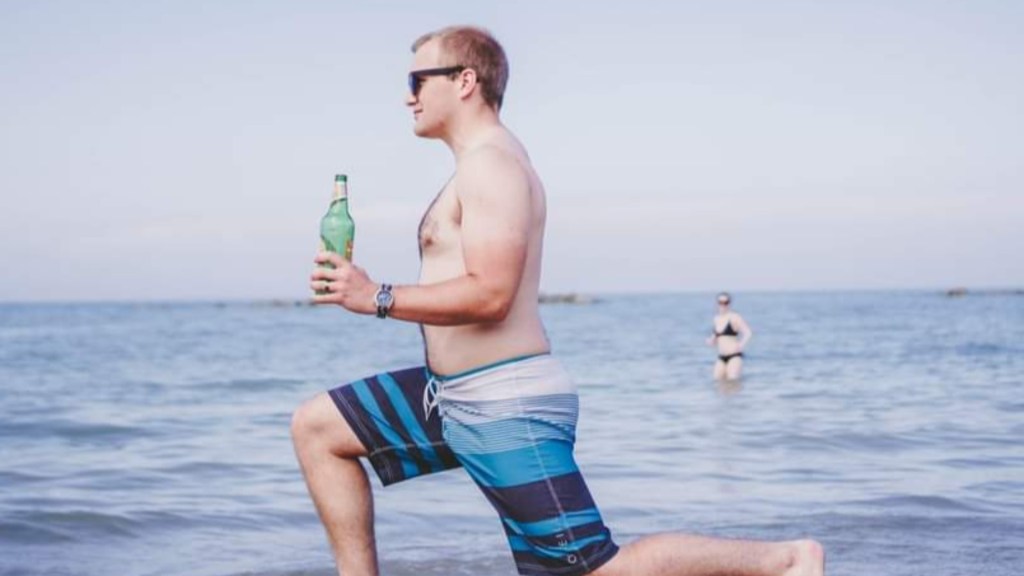
“The East Lancashire Hospice provided incredible support to Chris and our family. In honour of his memory, Chris’s last wish was to make a meaningful donation to the hospice, which relies entirely on the generosity of donations to continue its vital work”. (Image and text: Rebecca Hindle)
If you’ve been moved by Chris’s story and want to donate and support, here are the links:
The air League
Rebecca Hindle is fundraising for The Air League
The East Lancashire Hospice
Rebecca Hindle is fundraising for The East Lancashire Hospice
- Sharing these link with your friends and family could also help raise up to 3x more in donations
 Me, Myself and Cancer
Leave a comment