
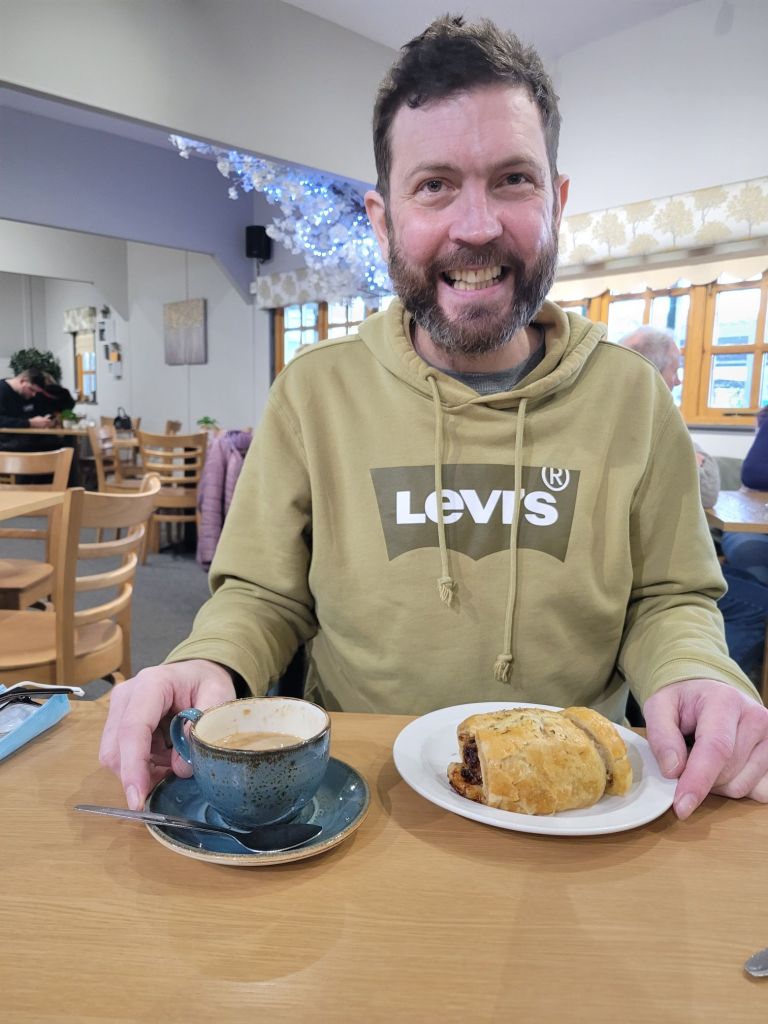
So, I thought that I would write something about human connections this time out. It’s something that has become increasingly important in my life, and it should be in yours too. It might sound obvious, but what is a human connection? Well, it’s the deep sense of closeness, belonging, and mutual understanding formed when people feel seen, valued, and heard, often through intentional, non-judgmental interaction.
Perhaps there’s more to it then than there seems to be on first consideration. It isn’t just about interacting with another person. There needs to be an authentic engagement that exists, which also fosters trust and a shared experience. Not only that, but I would argue that it is essential for mental health since it reduces stress and boosts overall well-being.
I should say now that it also involves a certain amount of vulnerability, so you’re going to want to open yourself to the idea that vulnerability is actually a strength. It also involves active listening, which is different from being heard or hearing someone. How so? Hearing is passive. It’s involuntary. We all hear someone when they talk. It requires no effort on our part. Listening, however, is the active, psychological, and voluntary process of paying attention, interpreting, and understanding what is being said. That way, we feel as though we have actually been validated and, importantly, understood.
That’s not to say that you can’t have a casual, yet positive interaction with a stranger. That’s entirely possible if they are able to provide their undivided attention. I’ve had some great connections with coffee baristas, for example, when they have been free from the many distractions that exist in cafes. Mostly, I get my human connections from close friends and family though.
Usually, this is in a safe place too, often a café, perhaps home, somewhere I feel comfortable enough to be entirely myself, and be able to really understand what is being said. Too many distractions around me can be a bad thing, and get in the way of this so environment is important when sharing personal, authentic experiences. It allows me, and others, to open up. And that’s what I mean by vulnerability. There’s a vulnerability that comes with that. Which can lead to strength.
I try to interact with someone every day. It isn’t always possible to get out, especially when I’m receiving cancer treatment, but if I feel up to it, I can still have people come to visit me. Sitting at the table with my family to eat a meal counts too, especially if my wife has been working all day and my daughter has been at school or holiday club.
Mastering the 5-3-1

There is actually a framework that exists, the 5-3-1 rule designed by researcher Kasley Killam, which was designed to combat loneliness and foster connection through actionable, weekly habits. It advises: 5 interactions with different people/groups per week, 3 times a month for deep, meaningful connections with close friends/family, and 1 hour per day of social interaction.
Broken down, this equates to:
- 5 – Weekly Variety: Engage with five different people or social groups each week (e.g., colleagues, neighbours, friends, family) to maintain a diverse network.
- 3 – Monthly Deepening: Nurture three close relationships per month through deeper conversations, removing social masks to connect authentically.
- 1 – Daily Connection: Devote approximately one hour per day to social interaction, which can be broken up throughout the day, such as chatting with a barista or calling a friend.
In essence, the rule treats social health as a “beauty treatment for the soul,” reducing loneliness and increasing overall well-being by encouraging intentional, consistent habits rather than waiting for social opportunities to arise naturally. Best of all, it isn’t a strict, one-size-fits-all formula, but rather a guideline that can be adapted to individual lifestyles. Try it.
One of my favourite things to do is to meet friends for coffee. In fact, I have three coffee dates booked this week. I regularly meet up with the same people because I find these to be the most supportive relationships in my life currently. I see these as being vital for my mental health, again helping me to manage stress and foster resilience.
Not only that, but social connection is linked to better health outcomes and increased longevity. Don’t believe me? Just look at human connections in Blue Zones – regions with the highest life expectancy – which are foundational to longevity. They all emphasise strong family ties, social circles, and community integration as a contributing factor to healthier, longer lives. Like me, they keep their family nearby, commit to a life partner, and maintain a group of close friends for lifelong emotional support.
Certainly, a cancer diagnosis profoundly impacts human connections, often acting as a catalyst that can either strengthen existing relationships and create new bonds with others who have cancer, or, in some cases, strain connections with friends and family who may not know how to cope. I have seen that happen. The friends I have now aren’t necessarily the friends that I had at the start of my cancer journey. Actually, many of the people I expected to stay with me, fell by the wayside and others, who I might not have expected, stepped up and have become strong pillars of support.

It was disappointing to lose friends in this way, but I don’t pay it much attention because I know the people who are in my life now are likely lifelong relationships. Still, I found it strange. In the end, I just put it down to the fact that friendships can be tested; and some friends may pull away out of discomfort or fear. That’s okay. It’s better for me in the long run.
If this sounds like something you are going through then don’t worry. It is common for people with cancer to reassess their relationships, sometimes letting go of superficial or unsupportive friendships to focus on those who are truly supportive. Be sure to communicate openly about your needs – whether it’s for company, help with tasks, or space – since this can reduce feelings of isolation and help friends and family know how to support you.
If you’re not feeling up to a face-to-face connection, for example, when physical visits are difficult, or if you have a weak immune system which requires isolation, digital tools like FaceTime, Skype, and social media can maintain crucial connections. I wouldn’t recommend this be your only form of human interaction, but they can certainly be utilised. At the end of the day, it’s about laughter, and sharing normal everyday conversations can help ease tension and maintain a sense of life beyond the illness.
Joining in-person or online support is another great way that allows you to connect with people who truly understand the experience without needing to explain it, and they often provide mentors or peers who can provide one-on-one, shared-experience support. A lot of my interactions these days take place in hospitals, usually on the chemo day unit when I’m having treatment. I find this comforting because they know what it’s like to have bad days and deal with the wave of emotions that comes with living with cancer.
What I have found though is that, sometimes, friendships made in the ‘cancer world’ can be heartbreaking if a new friend passes away. I’ve had this happen a few times now, and what I will say is that it’s perfectly okay to grieve these losses, even if you are still in treatment. Why wouldn’t you. In fact, I often feel guilty that I’m still alive. That said, I know that feeling guilty after someone dies of cancer is a common, natural part of grief, often stemming from what ifs, survivor guilt, or even a relief that their suffering has ended.
For me, it simply stems from the fact that I feel like it’s unfair that I lived when they did not. Could I have said or done something differently. Of course, the answer is likely no. I understand that I was not responsible for their illness or death and so I shift focus to positive memories and the value they brought to my life.
Final Thought
With so many cancer patients experiencing a sense of isolation, building and maintaining strong social ties is crucial for coping. Indeed, there are planet of studies indicating that social support can improve quality of life and potentially improve outcomes, and in a world with increasing virtual interactions, nurturing in-person, intentional, and empathetic connections is more important than ever.
 Me, Myself and Cancer
Leave a comment