
7 minute read
There is no glory in war
More and more, people are turning to search engines and Facebook for cancer-killing diets, I know I did – but I’m going to be really honest here and say that if you are looking for a secret miracle juice that can cure cancer then that isn’t what this blog is about.
Believe me, I know how disappointing that can sound. When I received my terminal diagnosis, I felt really vulnerable; really scared, and one of the first things I did was start searching for information online. What I found, like millions of others who do the same, gave me hope. And when you’re facing a battle with a terminal illness, hope can be very powerful indeed.
So, I don’t want to take away your hope. Quite the opposite. I was given as little as two months to live and yet, next month, I will have been living with cancer for two years… and I’ve never lost hope, even when it felt like I was losing. I haven’t beaten cancer, not yet, but then again, that isn’t what this blog is about either. There are plenty of beat-cancer blogs already (I’ve read most of them) and most of them claim that any cancer can be cured with a special diet, sometimes in a matter of weeks!
Make no mistake about it, cancer is a formidable opponent. Of all the diseases affecting humankind, cancer (and there are hundreds of different types) is the most difficult to treat and cure. Cancer cells are highly complex and process remarkable abilities to adapt and evolve. They can spread to other parts of the body and develop resistance to various treatments. Indeed, even after successful treatment, cancer can recur in the same place it started, or as a new type of cancer altogether. This might be months or even years later.
People have been trying to cure cancer for decades. Richard Nixon, a former president of the United States of America, famously declared a ‘war on cancer’ in 1971 and was confident that cancer would be conquered in five years. Regrettably, that war has not yet been won – although it would be pessimistic to say that it had been lost either. Overall, cancer survival rates have doubled since then and cancer patients now, generally, have a better quality of life. For me, targeted cancer drugs and immunotherapy, which use our immune systems to fight cancer, are one of the biggest successes achieved in recent years.
I’ve had chemotherapy. It was brutal. But it also probably saved my life. That doesn’t mean that I’m an advocate for chemotherapy, it’s more that I was an advocate for anything that was going to help control my cancer long enough for me to decide what should happen next. I understood that it wasn’t only going to kill the cancer cells and that it was going to kill, or at least damage, my healthy cells too. It’s no wonder then that natural claims attract such large audiences. Not only might you be facing a devastating disease, but you might also be facing the horror of, honestly, a pretty awful treatment option.
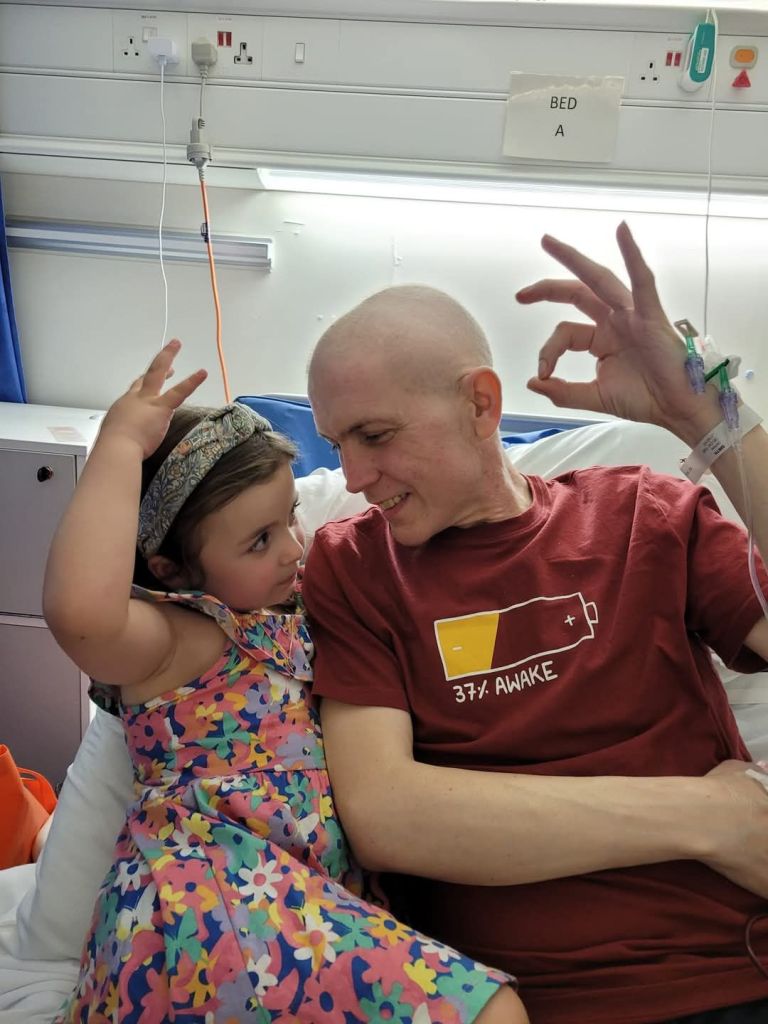
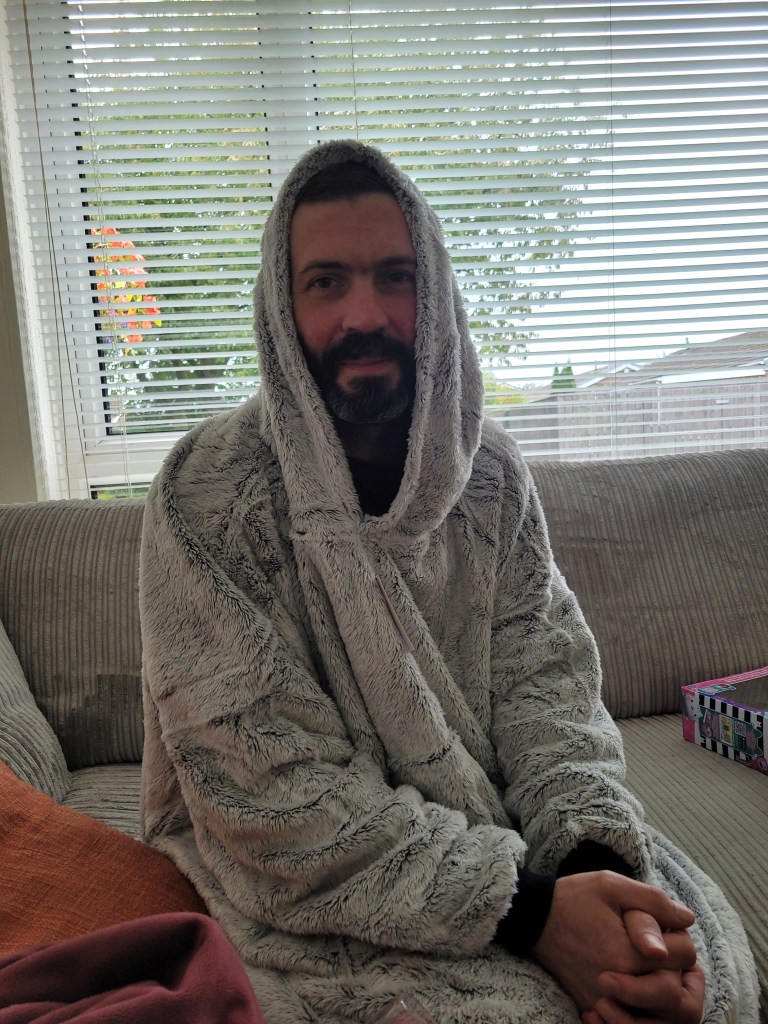
A new hope?
In the same way, however, that people making these claims often have a deep suspicion of doctors, pharmaceutical companies and medical treatment options, I’m left to wonder if people’s desire for hope in the face of hopelessness is being exploited. I know first-hand how easy it is to believe something when you desperately want to believe it… No, need to believe it. I was one of those people. I was told my cancer wasn’t curable and that the treatment might not be successful. I simply couldn’t accept that though and I was determined to survive my terminal cancer.
As strange as it might sound, that’s why I went ahead and signed the consent form for palliative chemotherapy, and I still believe that undergoing conventional medical treatment offers the best chance of fighting cancer. I have read online that the first thing you should do if you have cancer is radically change your diet and lifestyle before turning to these conventional medical treatments. If I had done that though then there’s no doubt in my mind that I wouldn’t have survived. My cancer was an aggressive and relentless form and I simply wouldn’t have lived long enough to ‘beat’ cancer. I actually find this type of advice dangerous.
All of this doesn’t mean that I haven’t taken from these alternative cancer treatment and natural healing sites. I have, and I’ve incorporated a lot of these principles into my daily life. It also doesn’t mean that I think science has all the answers. We should be educating people to take control of their health because this is how I believe we will truly win the war against cancer. Given everything we now know about cancer and the risks that environmental and lifestyle factors have created then surely prevention is going to be much better than the cure – and yet, there is still a long way to go to make this a reality.
In fact, it’s a sad reality of the world that we live in that it has been proven that there are groups within the food and health industries who have purposely spread misinformation and discouraged or even prevented research from becoming public knowledge that would have undoubtedly saved lives. It turns out that you can put a price on someone’s life. There is another issue, however, that is less talked about, but is no doubt making the problem worse, and that is the repeated attempts of both ‘science-based’ supporters and those in favour of ‘holistic’ healing to debunk each other’s claims.
I just find that this makes it really difficult to know who to trust and what to believe. There can be no doubt that there are cancer patients who have cured all types and stages of cancer (including terminal cancer) without medical treatment, and, although these are still quite rare, I agree that we should continue to study them. Scientists downplay this as ‘spontaneous remission’ and claim that they haven’t found any links that could be useful in treating or preventing cancer. Similarly, however, just because a group of people have been able to heal themselves naturally doesn’t mean it will work for everyone or that we should be rejecting science-based approaches.
I find that a lot of these people are ignorant, at best, and fraudulent at worst, and it’s important that we continue to challenge these claims because this is people’s lives we are talking about here – Cancer patients are not numbers. We are not statistics and, often, we deserve to be treated better – but when everyone thinks that they’re the ones to believe, well, that’s gotten us all into trouble. The fight against cancer requires ongoing research, innovation and collaboration.
If you are going to believe in anything, I want you to believe in something that is real and I can’t be just another person who spreads cancer misinformation to susceptible readers who soon become believers (and turn other susceptible readers into believers and so on). This is too important to me!
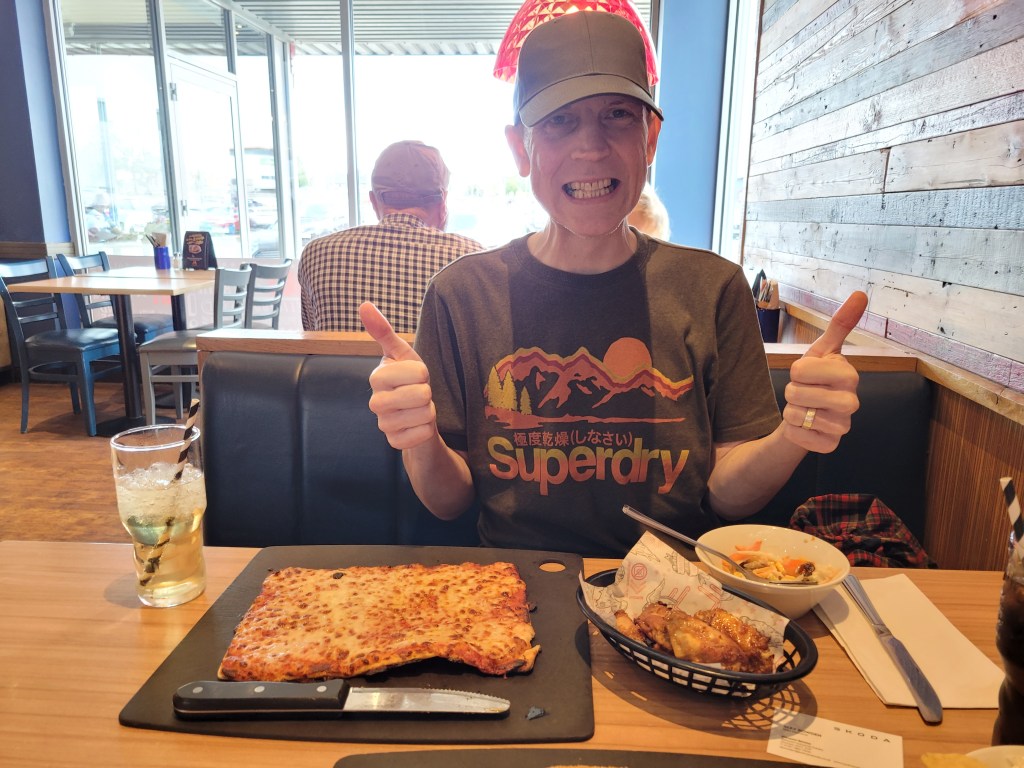

To be clear, I do think that you should make major changes to your diet and lifestyle if you have cancer or you’re worried about cancer. That’s what I did (although as the photos show there were foods that I ate during chemotherapy treatment that I don’t necessarily eat now). I just can’t promise you that reading my posts are going to save your life, particularly if, like me, your cancer is already advanced and I also haven’t found any strong evidence that there’s a food group or supplement out there that can cure cancer either.
We’re only just beginning to understand the role that diet and lifestyle can have on cancer but unfortunately, I don’t necessarily have the luxury of time and so I have to make decisions for myself based on the information that is available to me today. Further research is needed, however, there is mounting evidence that eating the right foods may stop or slow tumour growth. At the very least, it can make you feel better and healthier and there are plenty of studies already that have shown that it can reduce the risk of cancer (and if it can reduce the risk of cancer, surely it can reduce the risk of cancer coming back).
One of the first decisions I made, and it was pretty early on, was to adopt some healthy eating principles into my life. It just made sense to me that, if I was going to survive, it was going to require a multifaceted approach to treatment and management. Honestly, it all felt a bit overwhelming at first because, well, everything felt overwhelming at first. I was not only trying to change my entire diet; I was trying to change my entire mindset about life and food. The good news is that if I can do it, then so can you.
 Me, Myself and Cancer
Leave a comment